News
US crypto politics news
CFTC launches a digital-assets pilot for tokenized collateral
The December 2025 CFTC release described a pilot involving BTC, ETH and USDC as derivatives collateral, alongside guidance and withdrawn requirements.

Senate sets Tuesday vote on whether to take up the CLARITY Act
The chamber is scheduled to vote on cloture on the motion to proceed to H.R. 3633, a procedural test that would open debate rather than pass the bill.
Photo: U.S. Senate · CC BY-SA 4.0
House tax panel schedules Digital Asset Tax Certainty Act markup
Ways and Means has placed H.R. 10357 on its September 16 markup agenda alongside six other measures.
Photo: U.S. House of Representatives · public domain
Four ways a member of Congress can have crypto exposure
A direct token holding, a Bitcoin ETF, a crypto stock and crypto-related business income are different facts. JAT reports them separately.
Photo: JAT.Cool editorial illustration · AI-assisted
What a congressional crypto disclosure cannot tell you
Public filings are powerful evidence, but they do not reveal a wallet address, exact trade price, current balance, profit or a motive.
Photo: JAT.Cool editorial illustration · AI-assisted
When crypto policy and financial exposure overlap in Congress
Committee jurisdiction can make a disclosed holding more newsworthy—but it does not by itself establish a conflict or misconduct.
Photo: JAT.Cool editorial illustration · AI-assisted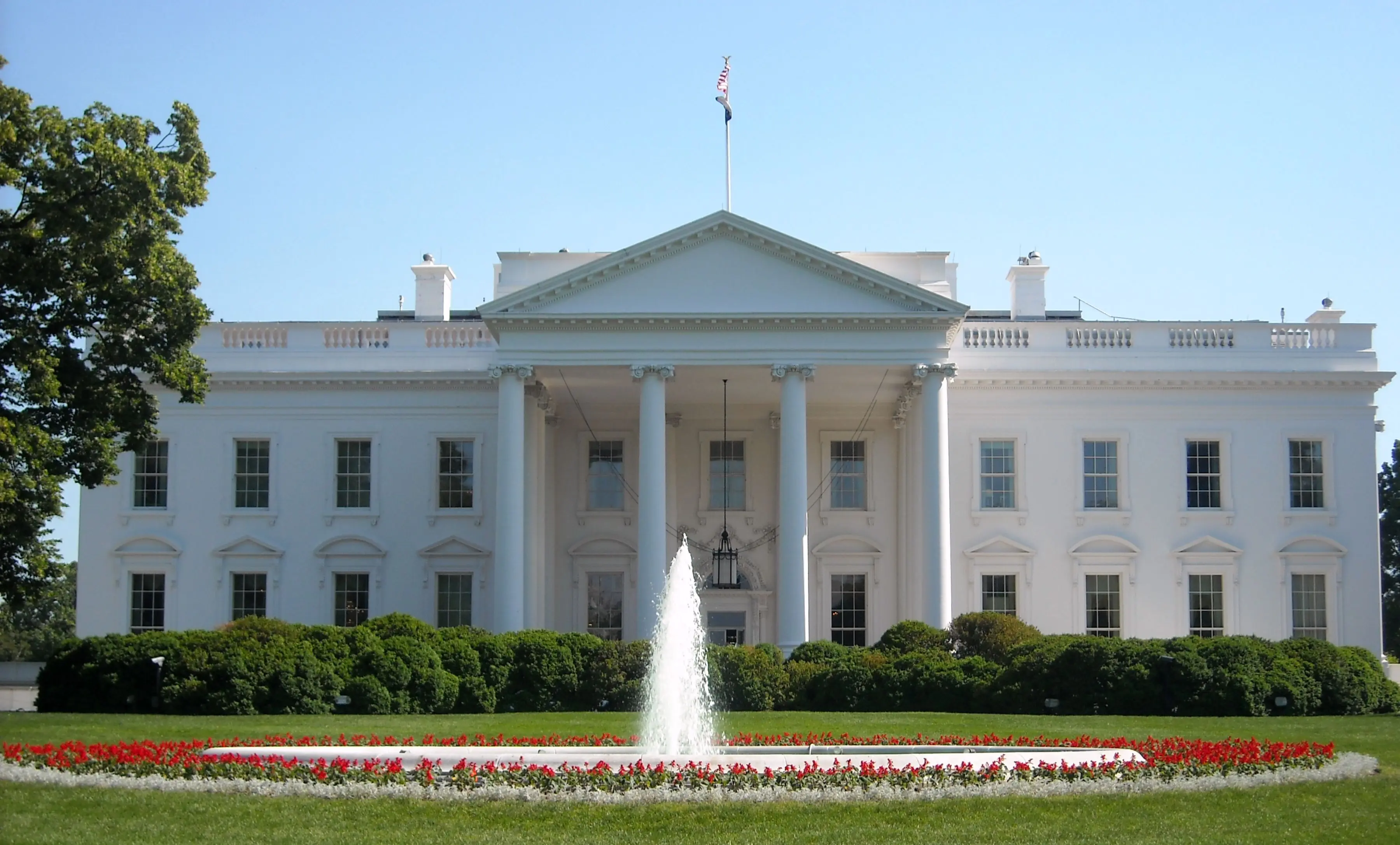
What the White House digital-finance order actually set in motion
The January 2025 order created a working-group process and revoked a prior framework. It did not, by itself, rewrite securities or commodities law.
Photo: AgnosticPreachersKid · CC BY-SA 3.0The SEC Crypto Task Force: what the agency said it was built to do
The SEC said the task force would develop a clearer framework and seek public input. Its creation was an agency action, not a new statute or a final rule.
Photo: JAT.Cool editorial illustration · AI-assistedWhy crypto custody became a central SEC policy question
At an April 2025 task-force roundtable, the SEC chair identified custody rules and broker-dealer treatment as questions for public discussion—not settled agency policy.
Photo: JAT.Cool editorial illustration · AI-assisted
What the House report says the CLARITY Act would change
The House report on H.R. 3633 describes a proposed digital-commodity framework and jurisdictional roles. A committee report is not enactment.
Photo: U.S. Senate · public domain
The Senate hearing that put digital-asset market structure on the record
A Senate Banking subcommittee hearing in June 2025 examined bipartisan market-structure frameworks. The Congressional Record preserves the hearing, not a final legislative outcome.
Photo: U.S. Senate · public domain
Who does what in US crypto policy: Congress, SEC and CFTC
The roles overlap but are not interchangeable. A CRS primer is a useful starting point for separating lawmaking, securities oversight and commodities-market authority.
Photo: U.S. Senate Photography Service · public domainWhat federal lobbying records can—and cannot—show about crypto influence
Lobbying disclosures identify registered activity and clients; they do not, on their own, prove a policy outcome or an improper exchange.
Photo: JAT.Cool editorial illustration · AI-assistedThe source map behind a congressional crypto disclosure story
The House disclosure portal, Senate records and filing instructions answer different questions. A responsible report shows which record it used.
Photo: JAT.Cool editorial illustration · AI-assistedStablecoin policy is a payments question as well as a crypto question
Treasury research and congressional proposals put stablecoins at the intersection of payment systems, reserves, consumer protection and market structure.
Photo: AgnosticPreachersKid · CC BY-SA 3.0From hearing to rule: how a US crypto policy idea becomes a public record
The route from a hearing or task-force discussion to a statute or final rule has distinct stages. Naming them makes coverage more accurate.
Photo: JAT.Cool editorial illustration · AI-assisted
Warren seeks separate ethics vote ahead of CLARITY debate
The Massachusetts senator asked for a floor vote on a presidential financial-conflicts measure as the Senate prepared to consider crypto market structure.
Photo: U.S. Senate · public domain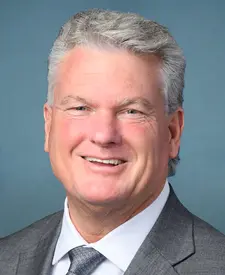
Crypto insider trading: what the term proves and what it does not
A congressional disclosure, a suspiciously timed trade and a criminal insider-trading case are three different things. Here is the evidence standard for each.
Photo: U.S. Congress · public domainThe largest disclosed Bitcoin ETF buying runs in Congress
David McCormick’s reported BITB activity leads the verified set, while Ro Khanna, Sheri Biggs, Byron Donalds and Marjorie Taylor Greene add distinct ETF purchase records.
Photo: U.S. Senate Photography Service · public domain
How to read a congressional crypto filing and spot a delay
Trade date, filing date, ownership code and amount bracket answer different questions. A useful tracker preserves all four.
Photo: House Creative Services · public domain
Direct crypto, Bitcoin ETFs and crypto stocks are not the same exposure
A Bitcoin wallet, an IBIT share and Coinbase stock can all react to crypto markets, but they represent different assets, rights and disclosure evidence.
Photo: U.S. Congress · public domain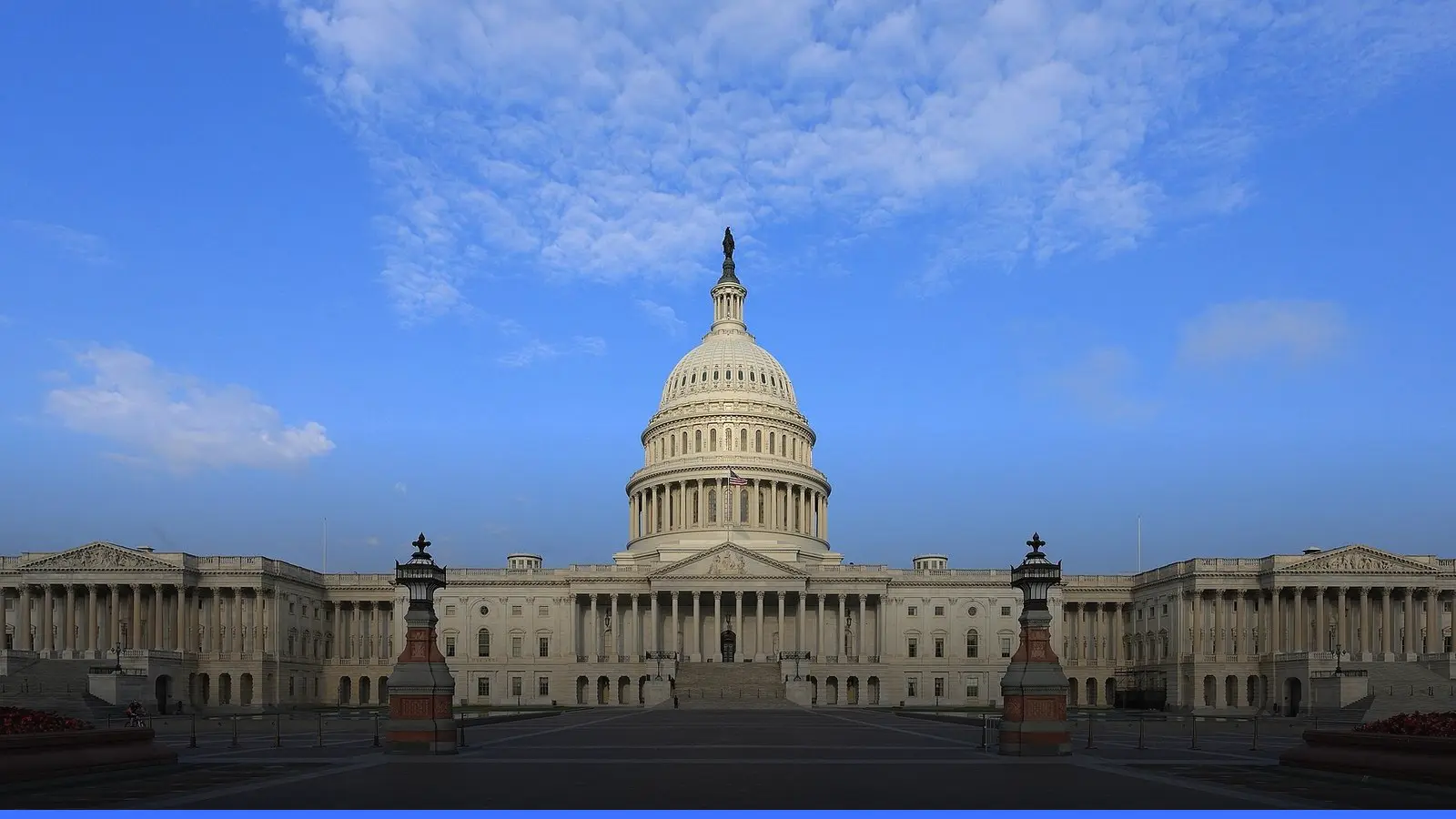
How to investigate crypto lobbying without overstating influence
Campaign money, registered lobbying, committee jurisdiction and personal investments are separate datasets. The strongest stories show the links without claiming that correlation proves a quid pro quo.
Photo: Martin Falbisoner · CC BY-SA 3.0Lummis releases revised CLARITY Act text ahead of Senate vote
The Wyoming senator says the latest draft changes provisions on DeFi, cash-market regulation, credit unions and prediction markets.
Photo: U.S. Senate · public domain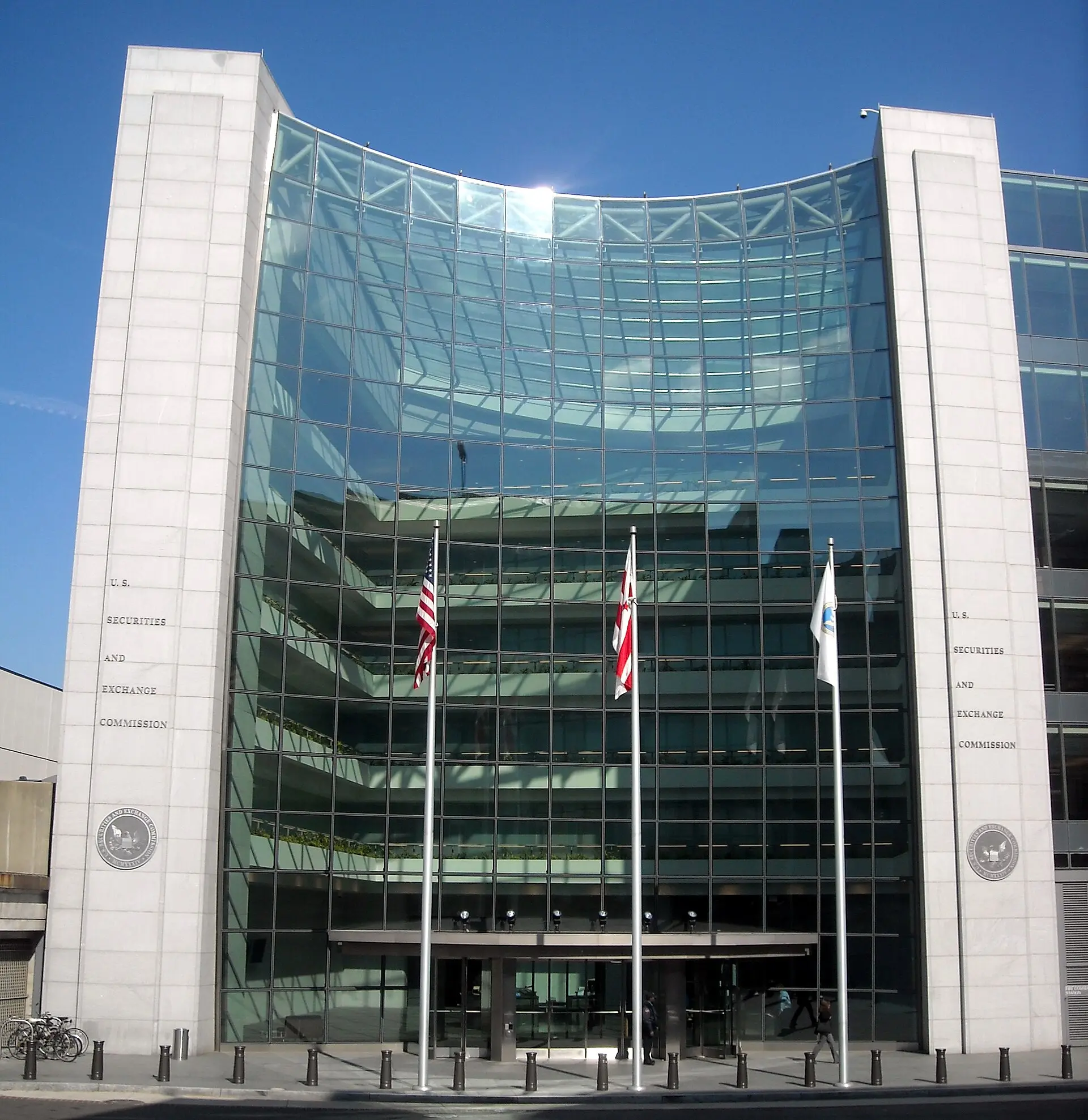
SEC proposes new offering framework for crypto assets
Regulation Crypto Assets would create two offering exemptions and a safe harbor; the proposal remains open to public comment and is not final law.
Photo: AgnosticPreachersKid · CC BY-SA 3.0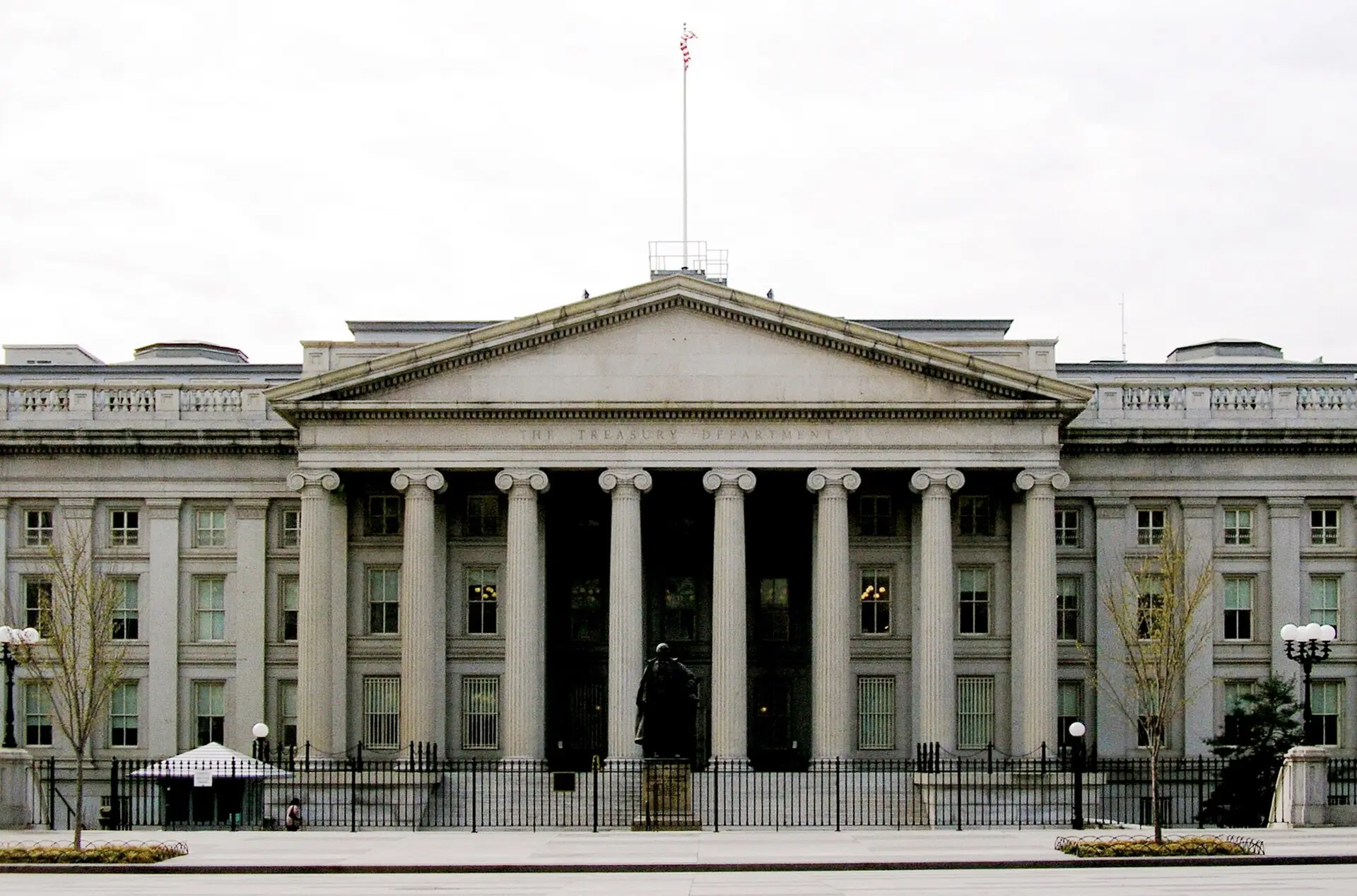
Treasury sanctions two crypto exchanges over alleged Iran-linked finance
The department said the exchanges were used to support illicit financial activity connected to the Iranian regime.
Photo: Loren · public domainSenate Banking Democrats publish five-point CLARITY Act critique
Minority staff identified what it calls five major loopholes in the bill, adding a formal opposition record to the market-structure debate.
Photo: U.S. Senate · public domainSenate crypto-trading ban effort stalled after an objection
Senator Jon Ossoff sought unanimous consent for a resolution covering public stocks and cryptocurrency. An objection meant the measure was not adopted.
Photo: U.S. Senate · public domain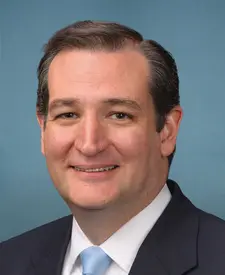
Senate Banking advances CLARITY Act in 15–9 vote
The committee reported the market-structure measure to the Senate in May, setting up the next stage of the chamber’s debate.
Photo: U.S. Senate · public domainSEC and CFTC issue joint interpretation for crypto assets
The March interpretation addresses token categories, investment contracts, airdrops, mining, staking and wrapping under federal securities laws.
Photo: JAT.Cool editorial illustration · AI-assisted